

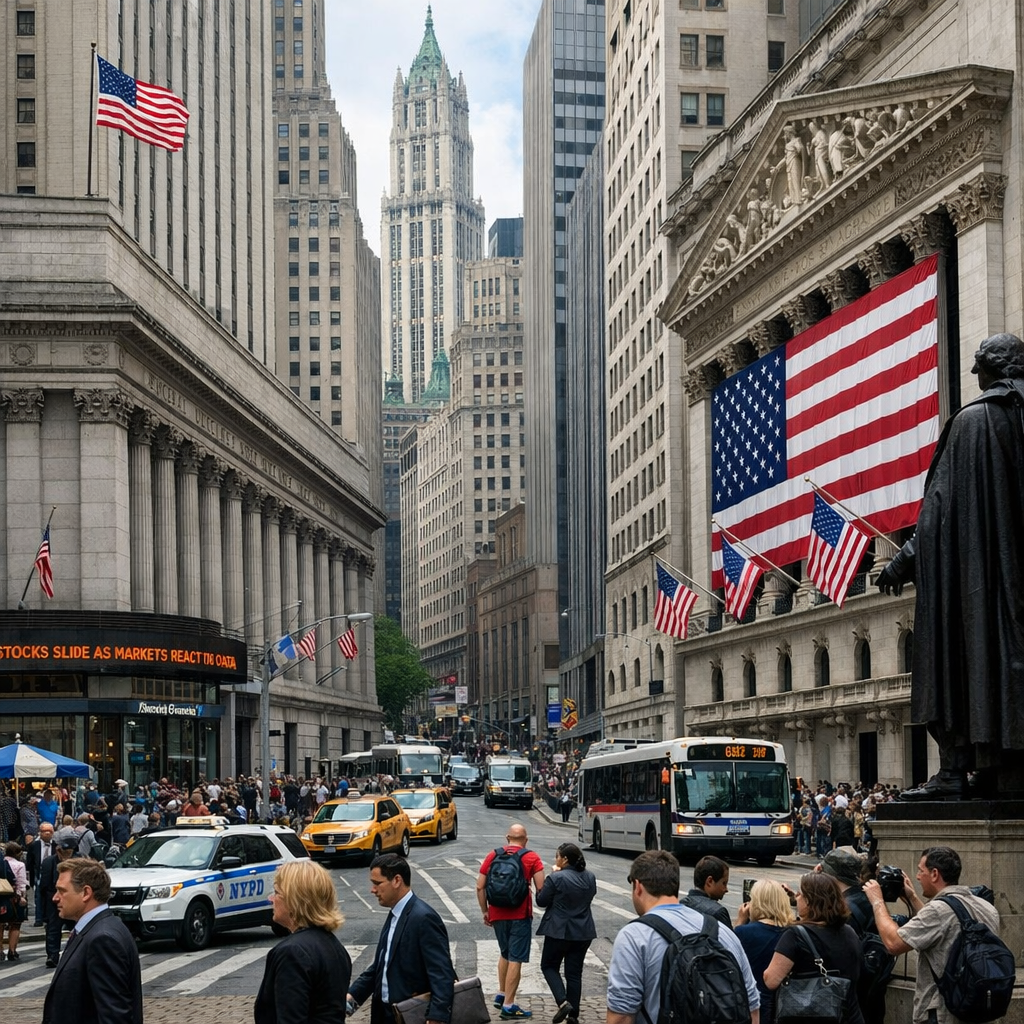
The United States economy and political landscape are complex and ever-evolving, influenced by a myriad of factors ranging from technological advancements to geopolitical events. Understanding these dynamics is crucial for comprehending the nation’s current state and future trajectory.
Economic Overview
In the first quarter of 2026, the U.S. economy experienced a growth rate of 2%, marking a recovery from the previous quarter’s sluggish 0.5% increase. This rebound was largely attributed to the resolution of a prolonged federal government shutdown and robust investments in emerging technologies, particularly in the artificial intelligence sector. However, the onset of geopolitical tensions, notably the conflict in Iran, has introduced uncertainties, especially concerning energy prices and inflation.
Consumer spending, which constitutes a significant portion of the U.S. economy, showed signs of deceleration, with a growth rate of 1.6% in the first quarter. This slowdown reflects the financial pressures faced by many households amid rising costs. Conversely, business investments surged by 8.7%, driven by advancements in technology and infrastructure projects. The labor market remained relatively stable, with the unemployment rate hovering around 4.3% as of April 2026.
Political Landscape
The U.S. political arena continues to be dominated by the two major parties: the Democratic Party and the Republican Party. While these parties contest elections at various levels, their influence often extends beyond formal political structures, shaping public discourse and policy directions. In recent years, there has been a noticeable shift in the political engagement of the populace, with social media platforms playing a pivotal role in mobilizing and informing voters.
However, the digital public sphere has undergone significant changes. Studies indicate a decline in overall social media usage, with platforms like Facebook and Twitter experiencing reduced engagement. This trend suggests a fragmentation of online communities and a potential shift in how political information is disseminated and consumed. Despite these changes, political polarization remains a defining feature of the American political landscape, influencing both online interactions and real-world political activities.
Implications and Outlook
The interplay between economic performance and political dynamics has profound implications for the nation’s future. Economic growth, while currently positive, faces potential headwinds from international conflicts and domestic policy challenges. The evolving political landscape, characterized by shifting engagement patterns and persistent polarization, may impact governance and policy-making processes.
For communities like Rogers, Minnesota, staying informed about these national trends is essential. Local economies are often influenced by broader economic policies and political decisions. Engaging in informed discussions and participating in the democratic process can empower communities to navigate these complexities effectively.
In conclusion, the U.S. economy and political landscape are in a state of flux, shaped by a combination of internal developments and external pressures. By understanding these dynamics, individuals and communities can better prepare for the challenges and opportunities that lie ahead.