
As we navigate through a period of economic uncertainty, many Americans are feeling the impact of rising inflation and global tensions on their daily lives. Recent data indicates that inflation has reached a nearly three-year high, with gas prices spiking 21% in just one month. This surge is largely attributed to the ongoing conflict in Iran, which has disrupted global oil supplies and driven up energy costs.
The International Monetary Fund (IMF) has described the U.S. economy as ‘buoyant’ but warns of risks stemming from tariffs and increasing federal debt. The IMF projects a growth rate of 2.4% for the U.S. economy in the fourth quarter of 2026, up from 2.2% the previous year. However, it also highlights that significant federal budget deficits pose a growing stability risk.
In the political arena, a recent Gallup poll reveals that about one-third of Americans consider politics and government as the nation’s most pressing problem. This level of concern is higher than in most other wealthy democracies, reflecting deep-seated anxieties about the health of the U.S. political system.
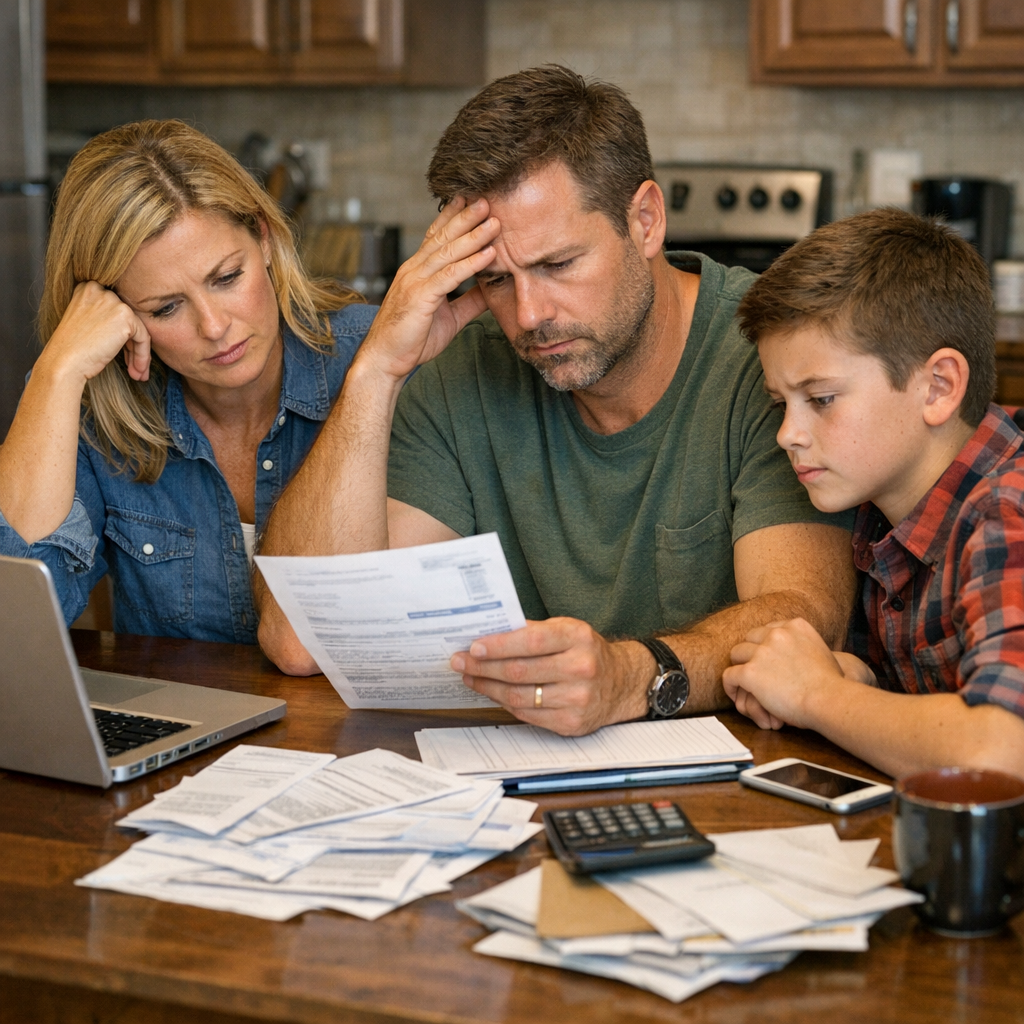
These economic and political challenges are not just national issues; they have tangible effects on local communities like ours in Rogers, Minnesota. Rising gas prices and inflation can strain household budgets, while political uncertainties may influence local business decisions and community programs.
As residents, staying informed and engaged is crucial. Understanding how national policies and global events impact our local economy can empower us to make informed decisions and advocate for our community’s needs. By fostering open dialogue and supporting local initiatives, we can navigate these uncertain times together and work towards a resilient and thriving Rogers.