
As we navigate through a period of economic uncertainty and political change, it’s essential to understand how these national developments impact our daily lives and future prospects.
Economic Landscape
Recent reports indicate a buoyant U.S. economy poised for accelerated growth and lower unemployment. However, significant federal budget debts represent a growing stability risk. The International Monetary Fund (IMF) projects U.S. gross domestic product (GDP) growth of 2.4% in the fourth quarter of 2026, up from 2.2% the previous year. Unemployment is expected to drop from 4.5% in late 2025 to 4.1% in 2026, with inflation falling to the Federal Reserve’s 2% target by 2027. Despite these positive indicators, the IMF warns that large federal budget deficits pose a growing stability risk.
Political Climate
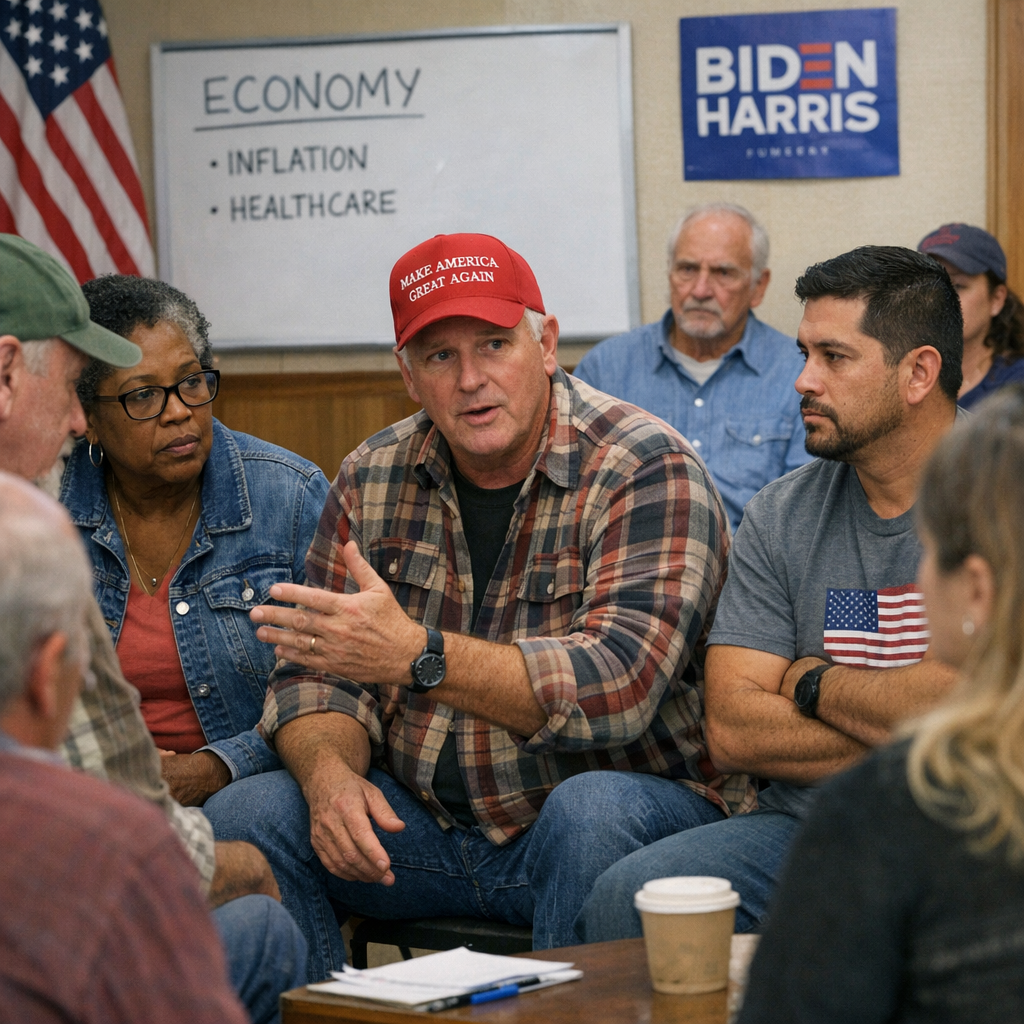
Political anxiety among Americans is notably high. A Gallup poll reveals that about one-third of Americans rate politics and government as the top issue facing the nation, a concern more pronounced than in most other wealthy democracies. This anxiety is particularly stark among older Americans, while younger generations are more focused on economic challenges like housing affordability. The U.S. stands out for its acute anxiety over the health of democracy and economic mobility, shaped by years of political polarization and fluctuating confidence in institutions.
Local Implications
For residents of Rogers, Minnesota, these national trends have tangible effects. Economic policies and political decisions at the federal level influence local job markets, housing affordability, and community services. Staying informed and engaged with both national and local developments is crucial for navigating these uncertain times.
Understanding the broader context helps us make informed decisions and advocate for policies that align with our community’s needs and values.