
The U.S. economy is experiencing a period of significant change, with recent developments in inflation, Federal Reserve policies, and consumer sentiment shaping the financial landscape. Understanding these factors is crucial for communities like Rogers, Minnesota, as they can have direct and indirect effects on local economies.
Inflation and Consumer Sentiment
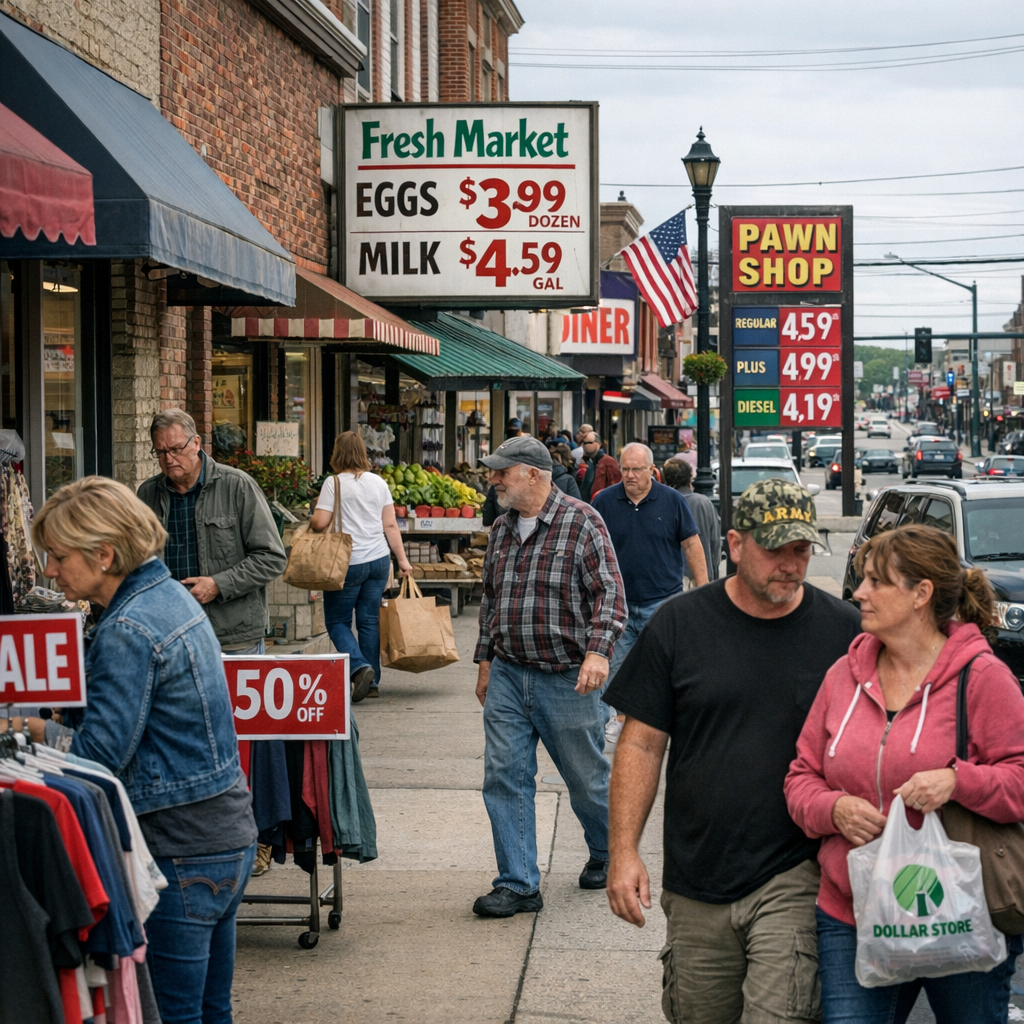
Recent surveys indicate a growing concern among Americans regarding inflation. A CBS News/YouGov poll revealed that 70% of respondents feel “angry” or “frustrated” about the current economic situation. This sentiment is largely driven by rising energy costs and overall inflation, which have been exacerbated by international conflicts affecting global supply chains.
Federal Reserve Policies
In response to these economic challenges, the Federal Reserve has been adjusting its monetary policies. The International Monetary Fund (IMF) projects U.S. gross domestic product (GDP) growth of 2.4% in the fourth quarter of 2026, up from 2.2% the previous year. Additionally, the IMF anticipates a decrease in unemployment rates and a gradual alignment of inflation with the Federal Reserve’s 2% target by 2027. These projections suggest a cautiously optimistic outlook for the national economy.
Local Implications
For residents of Rogers, Minnesota, these national trends can have tangible effects. Rising inflation may lead to increased costs for goods and services, impacting household budgets. However, the Federal Reserve’s efforts to stabilize the economy could result in more favorable conditions for employment and business growth in the long term.
Staying informed about these economic developments is essential for making sound financial decisions. By understanding the broader economic context, individuals and businesses in Rogers can better navigate the challenges and opportunities that lie ahead.