

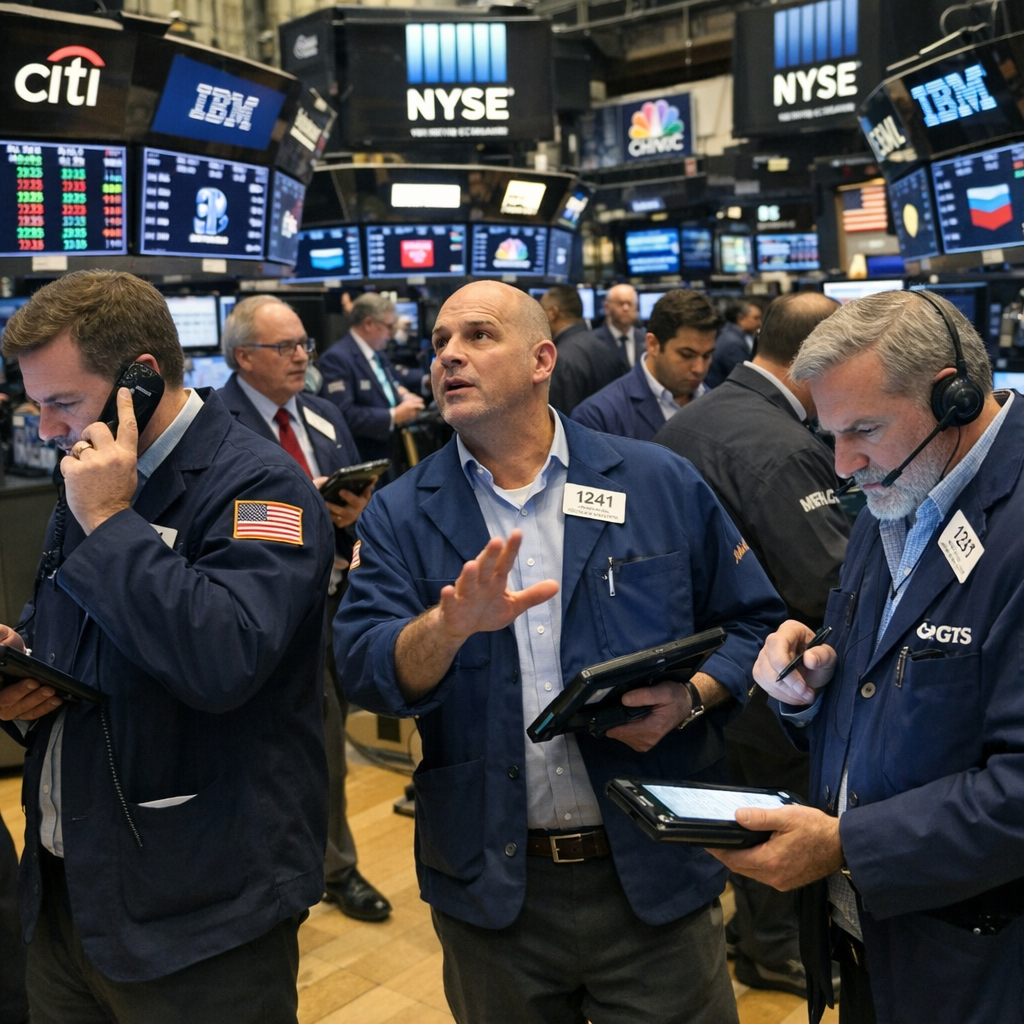
The United States economy is navigating a complex landscape shaped by various domestic and international factors. Recent developments have brought attention to the nation’s economic resilience and the challenges it faces.
Federal Reserve’s Monetary Policy
The Federal Reserve has signaled a cautious approach to interest rate adjustments, aiming to balance economic growth with inflation control. This strategy reflects the Fed’s commitment to maintaining financial stability amid evolving economic indicators.
Global Trade Dynamics
International trade relations continue to influence the U.S. economy. Ongoing negotiations and policy shifts are impacting export and import activities, affecting various sectors from agriculture to technology.
Labor Market Trends
The labor market remains a focal point, with employment rates and wage growth serving as key indicators of economic health. Efforts to address workforce challenges, including skill gaps and labor shortages, are essential for sustaining economic momentum.
Inflationary Pressures
Inflation remains a concern, with rising costs affecting consumers and businesses alike. Monitoring price trends and implementing appropriate fiscal policies are crucial to mitigate inflationary impacts.
Local Implications
For communities like Rogers, Minnesota, these national economic trends have tangible effects. Local businesses and residents may experience shifts in employment opportunities, consumer prices, and investment prospects. Staying informed and adaptable is key to navigating these changes effectively.
Understanding the broader economic context helps communities prepare and respond to the challenges and opportunities that arise in an interconnected economy.